




Unit 4. Our Customs and Traditions. Lesson 1. Getting started


- 0 / 0
-

(Tài liệu chưa được thẩm định)
Nguồn:
Người gửi: Nguyễn Hồng Kiên
Ngày gửi: 21h:51' 02-11-2022
Dung lượng: 30.9 MB
Số lượt tải: 866
Nguồn:
Người gửi: Nguyễn Hồng Kiên
Ngày gửi: 21h:51' 02-11-2022
Dung lượng: 30.9 MB
Số lượt tải: 866
Số lượt thích:
0 người
Warm-up: Match the pictures with the customs and traditions.
1.
smiling to accept a
compliment
a
2.
worshipping ancestors
b
3.
wrapping gifts in colourful
paper
4.
having lunch together on
the second day of Tet
5.
placing the chopsticks on
top of the rice bowl when
finishing a meal
c
d
e
6.
children in the family
standing in a row to greet
guests
f
7.
wearing ao dai on special
occasions
g
8.
giving children lucky money
at Tet
h
Period 27 - Unit 4 : Our customs and traditions
Lesson 1 : Getting started
A LESSON ON CUSTOMS AND TRADITIONS
Teacher
M Nick
i
Phong
Mai
I.Vocabulary:
- accept
/ əkˈsept /
- pass down
/ˈpaːs daʊn /
- generation
/ˌdʒenəˈreɪʃn /
- spot on
/spɒt ɔn /
- sharp
(adj)
/ ʃɑːp /
(v) : chấp nhận
(v.phr) : truyền lại
(n) : thế hệ
(adj) : hoàn toàn đúng
: đúng, chính xác
: phép tắc ăn uống
- table manner /ˈteɪbl ˈmænə( r) / (n.
phr)
- presentation /preznˈteɪʃn /
(n)
: thuyết trình
*Checking vocabulary
- accept
/ əkˈsept
/
- pass down
/ˈpaːs daʊn
/ (v.phr) : truyền lại
- generation
/ˌdʒenəˈreɪʃn /
- spot on
(adj)
/spɒt ɔn
- sharp
(adj)
/ ʃɑːp
/
/
- table manner /ˈteɪbl ˈmænə(r) /
(n.phr)
(v)
: công nhận
(n) : thế hệ
: hoàn toàn đúng
: đúng giờ, chính xác
: phép tắc ăn uống
: thuyết trình
II.LISTEN AND READ
II.LISTEN AND READ
1- b(page 39). Tick true (T) or false (F).
1. Nick's explanation of customs and
traditions is correct.
2. Only families have customs and
traditions.
3. In the UK there's a tradition of having
afternoon tea.
4. In the UK there is no accepted way of
behaving at the dinner table.
T
F
A lesson on customs and traditions
Teacher: Today we're going to learn about customs and traditions. Do you think they're the same?
Mi:
I think they're different, but it's hard to explain how.
Nick:
In my opinion, a custom is something that has become an accepted way of doing things.
And a tradition is something we do that is special and is passed down through the generations.
Teacher: Yes, spot on! Give me an example of a custom.
Mai:
My family has this custom of eating dinner at 7 p.m. sharp.
Teacher: Really?
Mai:
Yes, we have to be at the dinner table on time.
Teacher: That's interesting! How about a tradition, Phong?
Phong: We have a family tradition of visiting the pagoda on the first day of every lunar month.
Nick:
You're kidding!
Phong: No, no. We've followed this tradition for generations.
Teacher: You've mentioned family, but what about social customs and traditions, Nick?
Nick:
Well, in the UK there are lots of customs for table manners. For example, we have to use a
knife and fork at dinner. Then, there's a British tradition of having afternoon tea at 4 p.m.
Teacher: Sounds lovely! Now, for homework, you should find information about a custom or
tradition. You're doing mini presentations next week...
II.LISTEN AND READ
1- b(page 39). Tick true (T) or false (F).
1. Nick's explanation of customs and
traditions is correct.
T
Nick:
In my opinion, a custom is something that has become
an accepted way of doing things. And a tradition is something we do
that is special and is passed down through the generations.
Teacher: Yes, spot on! Give me an example of a custom.
F
II.LISTEN AND READ
1- b(page 39). Tick true (T) or false (F).
2. Only families have customs and
traditions. There are also social ones
T
F
Phong: We have a family tradition of visiting the pagoda on the first day of every lunar
month.
Nick:
You're kidding!
Phong: No, no. We've followed this tradition for generations.
Teacher: You've mentioned family, but what about social customs and traditions, Nick?
Nick:
Well, in the UK there are lots of customs for table manners. For example, we have
to use a knife and fork at dinner. Then, there's a British tradition of having afternoon tea at 4
p.m.
II.LISTEN AND READ
1- b(page 39). Tick true (T) or false (F).
3. In the UK there's a tradition of
having afternoon tea.
Nick:
T
Well, in the UK there are lots of customs
for table manners. For example, we have to use a
knife and fork at dinner. Then, there's a British
tradition of having afternoon tea at 4 p.m.
F
II.LISTEN AND READ
1- b(page 39). Tick true (T) or false (F).
4. In the UK there is no accepted way
of behaving at the dinner table.
T
F
There are a lot of customs for table
manners in the UK.
Nick:
Well, in the UK there are lots of customs for table manners. For
example, we have to use a knife and fork at dinner. Then, there's a British
tradition of having afternoon tea at 4 p.m.
II.LISTEN AND READ
1- b(page 39). Tick true (T) or false (F).
1. Nick's explanation of customs and
traditions is correct.
T
2. Only families have customs and
traditions. There are also social ones
3. In the UK there's a tradition of
having afternoon tea.
4. There
In the are
UKathere
no accepted
way
lot of is
customs
for table
manners
in the
UK.dinner table.
of behaving
at the
F
A lesson on customs and traditions
Teacher: Today we're going to learn about customs and traditions. Do you think they're the same?
Mi:
I think they're different, but it's hard to explain how.
Nick:
In my opinion, a custom is something that has become an accepted way of doing things. And a
tradition is something we do that is special and is passed down through the generations.
Teacher: Yes, spot on! Give me an example of a custom.
Mai:
My family has this custom of eating dinner at 7 p.m. sharp.
Teacher: Really?
Mai:
Yes, we have to be at the dinner table on time.
Teacher: That's interesting! How about a tradition, Phong?
Phong: We have a family tradition of visiting the pagoda on the first day of every lunar month.
Nick:
You're kidding!
Phong: No, no. We've followed this tradition for generations.
Teacher: You've mentioned family, but what about social customs and traditions, Nick?
Nick:
Well, in the UK there are lots of customs for table manners. For example, we have to use a
knife and fork at dinner. Then, there's a British tradition of having afternoon tea at 4 p.m.
Teacher: Sounds lovely! Now, for homework, you should find information about a custom or tradition.
You're doing mini presentations next week...
- You are joking!
- You must be joking!
A lesson on customs and traditions
Teacher: Today we're going to learn about customs and traditions. Do you think they're the same?
Mi:
I think they're different, but it's hard to explain how.
Nick:
In my opinion, a custom is something that has become an accepted way of doing things. And a tradition is something
we do that is special and is passed down through the generations.
Teacher: Yes, spot on! Give me an example of a custom.
Mai:
My family has this custom of eating dinner at 7 p.m. sharp.
Teacher: Really?
Mai:
Yes, we have to be at the dinner table on time.
Teacher: That's interesting! How about a tradition, Phong?
Phong: We have a family tradition of visiting the pagoda on the first day of every lunar month.
Nick:
You're kidding!
Phong: No, no. We've followed this tradition for generations.
Teacher: You've mentioned family, but what about social customs and traditions, Nick?
Nick:
Well, in the UK there are lots of customs for table manners. For example, we have to use a knife and fork at dinner.
Then, there's a British tradition of having afternoon tea at 4 p.m.
Teacher: Sounds lovely! Now, for homework, you should find information about a custom or tradition. You're doing mini
presentations next week...
1. What is Mai's family custom?
- It's eating dinner at 7 p.m sharp.
A lesson on customs and traditions
Teacher: Today we're going to learn about customs and traditions. Do you think they're the same?
Mi:
I think they're different, but it's hard to explain how.
Nick:
In my opinion, a custom is something that has become an accepted way of doing things. And a tradition is something
we do that is special and is passed down through the generations.
Teacher: Yes, spot on! Give me an example of a custom.
Mai:
My family has this custom of eating dinner at 7 p.m. sharp.
Teacher: Really?
Mai:
Yes, we have to be at the dinner table on time.
Teacher: That's interesting! How about a tradition, Phong?
Phong: We have a family tradition of visiting the pagoda on the first day of every lunar month.
Nick:
You're kidding!
Phong: No, no. We've followed this tradition for generations.
Teacher: You've mentioned family, but what about social customs and traditions, Nick?
Nick:
Well, in the UK there are lots of customs for table manners. For example, we have to use a knife and fork at dinner.
Then, there's a British tradition of having afternoon tea at 4 p.m.
Teacher: Sounds lovely! Now, for homework, you should find information about a custom or tradition. You're doing mini
presentations next week...
2. How does Nick feel when Phong talks about one of his family traditions?
-
He's surprised.
A lesson on customs and traditions
Teacher: Today we're going to learn about customs and traditions. Do you think they're the same?
Mi:
I think they're different, but it's hard to explain how.
Nick:
In my opinion, a custom is something that has become an accepted way of doing things. And a tradition is something
we do that is special and is passed down through the generations.
Teacher: Yes, spot on! Give me an example of a custom.
Mai:
My family has this custom of eating dinner at 7 p.m. sharp.
Teacher: Really?
Mai:
Yes, we have to be at the dinner table on time.
Teacher: That's interesting! How about a tradition, Phong?
Phong: We have a family tradition of visiting the pagoda on the first day of every lunar month.
Nick:
You're kidding!
Phong: No, no. We've followed this tradition for generations.
Teacher: You've mentioned family, but what about social customs and traditions, Nick?
Nick:
Well, in the UK there are lots of customs for table manners. For example, we have to use a knife and fork at dinner.
Then, there's a British tradition of having afternoon tea at 4 p.m.
Teacher: Sounds lovely! Now, for homework, you should find information about a custom or tradition. You're doing mini
presentations next week...
3. What is the similarity between a custom and a tradition?
- They both refer to doing something that develops over
time.
A lesson on customs and traditions
Teacher: Today we're going to learn about customs and traditions. Do you think they're the same?
Mi:
I think they're different, but it's hard to explain how.
Nick:
In my opinion, a custom is something that has become an accepted way of doing things. And a tradition is something
we do that is special and is passed down through the generations.
Teacher: Yes, spot on! Give me an example of a custom.
Mai:
My family has this custom of eating dinner at 7 p.m. sharp.
Teacher: Really?
Mai:
Yes, we have to be at the dinner table on time.
Teacher: That's interesting! How about a tradition, Phong?
Phong: We have a family tradition of visiting the pagoda on the first day of every lunar month.
Nick:
You're kidding!
Phong: No, no. We've followed this tradition for generations.
Teacher: You've mentioned family, but what about social customs and traditions, Nick?
Nick:
Well, in the UK there are lots of customs for table manners. For example, we have to use a knife and fork at dinner.
Then, there's a British tradition of having afternoon tea at 4 p.m.
Teacher: Sounds lovely! Now, for homework, you should find information about a custom or tradition. You're doing mini
presentations next week...
4. What is the difference between them?
-A
custom is something accepted. A tradition is something
special and is passed down through the generations.
A lesson on customs and traditions
Teacher: Today we're going to learn about customs and traditions. Do you think they're the same?
Mi:
I think they're different, but it's hard to explain how.
Nick:
In my opinion, a custom is something that has become an accepted way of doing things. And a tradition is something
we do that is special and is passed down through the generations.
Teacher: Yes, spot on! Give me an example of a custom.
Mai:
My family has this custom of eating dinner at 7 p.m. sharp.
Teacher: Really?
Mai:
Yes, we have to be at the dinner table on time.
Teacher: That's interesting! How about a tradition, Phong?
Phong: We have a family tradition of visiting the pagoda on the first day of every lunar month.
Nick:
You're kidding!
Phong: No, no. We've followed this tradition for generations.
Teacher: You've mentioned family, but what about social customs and traditions, Nick?
Nick:
Well, in the UK there are lots of customs for table manners. For example, we have to use a knife and fork at dinner.
Then, there's a British tradition of having afternoon tea at 4 p.m.
Teacher: Sounds lovely! Now, for homework, you should find information about a custom or tradition. You're doing mini
presentations next week...
5. What should the students do for homework?
-
They should find information about a custom or tradition.
1-c.(page 39) Answer the following questions.
1. What is Mai's family custom?
- It's eating dinner at 7 p.m. sharp.
2. How does Nick feel when Phong talks about one of his family
traditions?
- He's surprised.
3. What is the similarity between a custom and a tradition?
-They both refer to doing something that develops over time.
4. What is the difference between them?
- A custom is something accepted. A tradition is something special and is
passed down through the generations.
5. What should the students do for homework?
- They should find information about a custom or tradition.
2 a (page 39 ). Match the pictures with the customs and traditions.
1.
smiling to accept a
compliment
a
2.
worshipping ancestors
b
3.
wrapping gifts in colourful
paper
4.
having lunch together on
the second day of Tet
5.
placing the chopsticks on
top of the rice bowl when
finishing a meal
c
d
e
6.
children in the family
standing in a row to greet
guests
f
7.
wearing ao dai on special
occasions
g
8.
giving children lucky money
at Tet
h
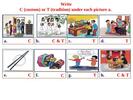
2-b (page 39). Write C (Custom) or T (Tradition) next to each
activity. In pairs, compare your answers.
1. smiling to accept a compliment
2. worshipping ancestors
3. wrapping gifts in colourful paper
4. having lunch together on the second day of Tet
5. placing the chopsticks on top of the rice bowl when
finishing a meal
6. children in the family standing in a row to greet guests
7. wearing ao dai on special occasions
8. giving children lucky money at Tet
C
C or T
C
T
C
C
T
C or T
III.Productions
1 a+d (page 39).
Play game: RINGING THE GLODEN BELL
Question 1: Choose the best option A, B or C to answer
the below question.
agree means...............
A
accepted
B
C
well
13s
14s
12s
01s
02s
03s
04s
05s
06s
07s
08s
09s
10s
11s
00
15s
disagree
Start!
Finish!
Question 2: Choose the best option A, B or C to answer
the below question.
grandparents, parents, and children means......
A
family
B
C
generations
13s
14s
12s
01s
02s
03s
04s
05s
06s
07s
08s
09s
10s
11s
00
15s
ancester
Start!
Finish!
Question 3: Choose the best option A, B or C to answer
the below question.
totally correct means...............
A
no
B
C
spot on
13s
14s
12s
01s
02s
03s
04s
05s
06s
07s
08s
09s
10s
11s
00
15s
disagree
Start!
Finish!
Question 4: Choose the best option A, B or C to answer
the below question.
exactly on time means...............
A
half
B
C
not true
13s
14s
12s
01s
02s
03s
04s
05s
06s
07s
08s
09s
10s
11s
00
15s
sharp
Start!
Finish!
Question 5: Choose the best option A, B or C to answer
the below question.
relating to human society means...............
A
social
B
C
building
13s
14s
12s
01s
02s
03s
04s
05s
06s
07s
08s
09s
10s
11s
00
15s
house
Start!
Finish!
Question 6: Choose the best option A, B or C to answer
the below question.
a polite way of eating at the dinner table is ....
A
dinner
B
C
cooking
13s
14s
12s
01s
02s
03s
04s
05s
06s
07s
08s
09s
10s
11s
00
15s
table manners
Start!
Finish!
Question 7: Choose the best option A, B or C to complete
this sentence
We _____be at the dinner table on time.
A
have to
B
C
has to
13s
14s
12s
01s
02s
03s
04s
05s
06s
07s
08s
09s
10s
11s
00
15s
are
Have to => It's an obligation – you have
no choice
Start!
Finish!
Question 8: Choose the best option A, B or C to complete
this sentence
You _____find information about custom or tradition
A
has to
B
C
should
13s
14s
12s
01s
02s
03s
04s
05s
06s
07s
08s
09s
10s
11s
00
15s
does
Should => It's a suggestion or advice
– it would be best to
follow it.
Start!
Finish!
GV: Can you remember What you have
learnt today?
Ss :
Period 27- Unit 4 : Our customs and traditions
Lesson 1 : Getting started
Consolidations
Vocabulary
OUR CUSTOMS
AND TRADITIONS
Grammar
Types of customs and
traditions
Expressions with
'customs and tradition'
Have to => It's an obligation – you
have no choice
Should => It's a suggestion or
advice – it would be best to
follow it.
- Learn the new words by heart.
- Practice the dialogue again.
+
- Do exercises:3.Game (p39)write down as many local customs and
traditions as you can think of, and B1,2 in workbook (page 29).
- Prepare Unit 4: A closer look 1.
pronunciation : Clusters:/spr/ and /str/
Goodbye!
See you again!
2-a(page 39). Match the pictures with the customs and
traditions.
smiling to accept a
1. g
2. c
a 3.
f
4. h
b 5.
c
d
compliment
worshipping ancestors
wrapping gifts in colourful
paper
having lunch together on
the second day of Tet
e placing the chopsticks on
top of the rice bowl when
finishing a meal
6. a
children in the family
standing in a row to greet
guests
7. b
wearing ao dai on special
occasions
8.
giving children lucky money
at Tet
d
e
f
g
h
2 a (page 39 ). Match the pictures with the customs and traditions.
1.
smiling to accept a
compliment
a
2.
worshipping ancestors
b
3.
wrapping gifts in colourful
paper
4.
having lunch together on
the second day of Tet
5.
placing the chopsticks on
top of the rice bowl when
finishing a meal
c
d
e
6.
children in the family
standing in a row to greet
guests
f
7.
wearing ao dai on special
occasions
g
8.
giving children lucky money
at Tet
h
Consolidations
Vocabulary
OUR
CUSTOMS AND
TRADITIONS
Grammar
Types of customs and
traditions
Expressions with
'customs and tradition'
Have to => It's an obligation
– you have no choice
Should => It's a suggestion or
advice
– it would be best to follow it.
1.
smiling to accept a
compliment
a
2.
worshipping ancestors
b
3.
wrapping gifts in colourful
paper
4.
having lunch together on
the second day of Tet
5.
placing the chopsticks on
top of the rice bowl when
finishing a meal
c
d
e
6.
children in the family
standing in a row to greet
guests
f
7.
wearing ao dai on special
occasions
g
8.
giving children lucky money
at Tet
h
Period 27 - Unit 4 : Our customs and traditions
Lesson 1 : Getting started
A LESSON ON CUSTOMS AND TRADITIONS
Teacher
M Nick
i
Phong
Mai
I.Vocabulary:
- accept
/ əkˈsept /
- pass down
/ˈpaːs daʊn /
- generation
/ˌdʒenəˈreɪʃn /
- spot on
/spɒt ɔn /
- sharp
(adj)
/ ʃɑːp /
(v) : chấp nhận
(v.phr) : truyền lại
(n) : thế hệ
(adj) : hoàn toàn đúng
: đúng, chính xác
: phép tắc ăn uống
- table manner /ˈteɪbl ˈmænə( r) / (n.
phr)
- presentation /preznˈteɪʃn /
(n)
: thuyết trình
*Checking vocabulary
- accept
/ əkˈsept
/
- pass down
/ˈpaːs daʊn
/ (v.phr) : truyền lại
- generation
/ˌdʒenəˈreɪʃn /
- spot on
(adj)
/spɒt ɔn
- sharp
(adj)
/ ʃɑːp
/
/
- table manner /ˈteɪbl ˈmænə(r) /
(n.phr)
(v)
: công nhận
(n) : thế hệ
: hoàn toàn đúng
: đúng giờ, chính xác
: phép tắc ăn uống
: thuyết trình
II.LISTEN AND READ
II.LISTEN AND READ
1- b(page 39). Tick true (T) or false (F).
1. Nick's explanation of customs and
traditions is correct.
2. Only families have customs and
traditions.
3. In the UK there's a tradition of having
afternoon tea.
4. In the UK there is no accepted way of
behaving at the dinner table.
T
F
A lesson on customs and traditions
Teacher: Today we're going to learn about customs and traditions. Do you think they're the same?
Mi:
I think they're different, but it's hard to explain how.
Nick:
In my opinion, a custom is something that has become an accepted way of doing things.
And a tradition is something we do that is special and is passed down through the generations.
Teacher: Yes, spot on! Give me an example of a custom.
Mai:
My family has this custom of eating dinner at 7 p.m. sharp.
Teacher: Really?
Mai:
Yes, we have to be at the dinner table on time.
Teacher: That's interesting! How about a tradition, Phong?
Phong: We have a family tradition of visiting the pagoda on the first day of every lunar month.
Nick:
You're kidding!
Phong: No, no. We've followed this tradition for generations.
Teacher: You've mentioned family, but what about social customs and traditions, Nick?
Nick:
Well, in the UK there are lots of customs for table manners. For example, we have to use a
knife and fork at dinner. Then, there's a British tradition of having afternoon tea at 4 p.m.
Teacher: Sounds lovely! Now, for homework, you should find information about a custom or
tradition. You're doing mini presentations next week...
II.LISTEN AND READ
1- b(page 39). Tick true (T) or false (F).
1. Nick's explanation of customs and
traditions is correct.
T
Nick:
In my opinion, a custom is something that has become
an accepted way of doing things. And a tradition is something we do
that is special and is passed down through the generations.
Teacher: Yes, spot on! Give me an example of a custom.
F
II.LISTEN AND READ
1- b(page 39). Tick true (T) or false (F).
2. Only families have customs and
traditions. There are also social ones
T
F
Phong: We have a family tradition of visiting the pagoda on the first day of every lunar
month.
Nick:
You're kidding!
Phong: No, no. We've followed this tradition for generations.
Teacher: You've mentioned family, but what about social customs and traditions, Nick?
Nick:
Well, in the UK there are lots of customs for table manners. For example, we have
to use a knife and fork at dinner. Then, there's a British tradition of having afternoon tea at 4
p.m.
II.LISTEN AND READ
1- b(page 39). Tick true (T) or false (F).
3. In the UK there's a tradition of
having afternoon tea.
Nick:
T
Well, in the UK there are lots of customs
for table manners. For example, we have to use a
knife and fork at dinner. Then, there's a British
tradition of having afternoon tea at 4 p.m.
F
II.LISTEN AND READ
1- b(page 39). Tick true (T) or false (F).
4. In the UK there is no accepted way
of behaving at the dinner table.
T
F
There are a lot of customs for table
manners in the UK.
Nick:
Well, in the UK there are lots of customs for table manners. For
example, we have to use a knife and fork at dinner. Then, there's a British
tradition of having afternoon tea at 4 p.m.
II.LISTEN AND READ
1- b(page 39). Tick true (T) or false (F).
1. Nick's explanation of customs and
traditions is correct.
T
2. Only families have customs and
traditions. There are also social ones
3. In the UK there's a tradition of
having afternoon tea.
4. There
In the are
UKathere
no accepted
way
lot of is
customs
for table
manners
in the
UK.dinner table.
of behaving
at the
F
A lesson on customs and traditions
Teacher: Today we're going to learn about customs and traditions. Do you think they're the same?
Mi:
I think they're different, but it's hard to explain how.
Nick:
In my opinion, a custom is something that has become an accepted way of doing things. And a
tradition is something we do that is special and is passed down through the generations.
Teacher: Yes, spot on! Give me an example of a custom.
Mai:
My family has this custom of eating dinner at 7 p.m. sharp.
Teacher: Really?
Mai:
Yes, we have to be at the dinner table on time.
Teacher: That's interesting! How about a tradition, Phong?
Phong: We have a family tradition of visiting the pagoda on the first day of every lunar month.
Nick:
You're kidding!
Phong: No, no. We've followed this tradition for generations.
Teacher: You've mentioned family, but what about social customs and traditions, Nick?
Nick:
Well, in the UK there are lots of customs for table manners. For example, we have to use a
knife and fork at dinner. Then, there's a British tradition of having afternoon tea at 4 p.m.
Teacher: Sounds lovely! Now, for homework, you should find information about a custom or tradition.
You're doing mini presentations next week...
- You are joking!
- You must be joking!
A lesson on customs and traditions
Teacher: Today we're going to learn about customs and traditions. Do you think they're the same?
Mi:
I think they're different, but it's hard to explain how.
Nick:
In my opinion, a custom is something that has become an accepted way of doing things. And a tradition is something
we do that is special and is passed down through the generations.
Teacher: Yes, spot on! Give me an example of a custom.
Mai:
My family has this custom of eating dinner at 7 p.m. sharp.
Teacher: Really?
Mai:
Yes, we have to be at the dinner table on time.
Teacher: That's interesting! How about a tradition, Phong?
Phong: We have a family tradition of visiting the pagoda on the first day of every lunar month.
Nick:
You're kidding!
Phong: No, no. We've followed this tradition for generations.
Teacher: You've mentioned family, but what about social customs and traditions, Nick?
Nick:
Well, in the UK there are lots of customs for table manners. For example, we have to use a knife and fork at dinner.
Then, there's a British tradition of having afternoon tea at 4 p.m.
Teacher: Sounds lovely! Now, for homework, you should find information about a custom or tradition. You're doing mini
presentations next week...
1. What is Mai's family custom?
- It's eating dinner at 7 p.m sharp.
A lesson on customs and traditions
Teacher: Today we're going to learn about customs and traditions. Do you think they're the same?
Mi:
I think they're different, but it's hard to explain how.
Nick:
In my opinion, a custom is something that has become an accepted way of doing things. And a tradition is something
we do that is special and is passed down through the generations.
Teacher: Yes, spot on! Give me an example of a custom.
Mai:
My family has this custom of eating dinner at 7 p.m. sharp.
Teacher: Really?
Mai:
Yes, we have to be at the dinner table on time.
Teacher: That's interesting! How about a tradition, Phong?
Phong: We have a family tradition of visiting the pagoda on the first day of every lunar month.
Nick:
You're kidding!
Phong: No, no. We've followed this tradition for generations.
Teacher: You've mentioned family, but what about social customs and traditions, Nick?
Nick:
Well, in the UK there are lots of customs for table manners. For example, we have to use a knife and fork at dinner.
Then, there's a British tradition of having afternoon tea at 4 p.m.
Teacher: Sounds lovely! Now, for homework, you should find information about a custom or tradition. You're doing mini
presentations next week...
2. How does Nick feel when Phong talks about one of his family traditions?
-
He's surprised.
A lesson on customs and traditions
Teacher: Today we're going to learn about customs and traditions. Do you think they're the same?
Mi:
I think they're different, but it's hard to explain how.
Nick:
In my opinion, a custom is something that has become an accepted way of doing things. And a tradition is something
we do that is special and is passed down through the generations.
Teacher: Yes, spot on! Give me an example of a custom.
Mai:
My family has this custom of eating dinner at 7 p.m. sharp.
Teacher: Really?
Mai:
Yes, we have to be at the dinner table on time.
Teacher: That's interesting! How about a tradition, Phong?
Phong: We have a family tradition of visiting the pagoda on the first day of every lunar month.
Nick:
You're kidding!
Phong: No, no. We've followed this tradition for generations.
Teacher: You've mentioned family, but what about social customs and traditions, Nick?
Nick:
Well, in the UK there are lots of customs for table manners. For example, we have to use a knife and fork at dinner.
Then, there's a British tradition of having afternoon tea at 4 p.m.
Teacher: Sounds lovely! Now, for homework, you should find information about a custom or tradition. You're doing mini
presentations next week...
3. What is the similarity between a custom and a tradition?
- They both refer to doing something that develops over
time.
A lesson on customs and traditions
Teacher: Today we're going to learn about customs and traditions. Do you think they're the same?
Mi:
I think they're different, but it's hard to explain how.
Nick:
In my opinion, a custom is something that has become an accepted way of doing things. And a tradition is something
we do that is special and is passed down through the generations.
Teacher: Yes, spot on! Give me an example of a custom.
Mai:
My family has this custom of eating dinner at 7 p.m. sharp.
Teacher: Really?
Mai:
Yes, we have to be at the dinner table on time.
Teacher: That's interesting! How about a tradition, Phong?
Phong: We have a family tradition of visiting the pagoda on the first day of every lunar month.
Nick:
You're kidding!
Phong: No, no. We've followed this tradition for generations.
Teacher: You've mentioned family, but what about social customs and traditions, Nick?
Nick:
Well, in the UK there are lots of customs for table manners. For example, we have to use a knife and fork at dinner.
Then, there's a British tradition of having afternoon tea at 4 p.m.
Teacher: Sounds lovely! Now, for homework, you should find information about a custom or tradition. You're doing mini
presentations next week...
4. What is the difference between them?
-A
custom is something accepted. A tradition is something
special and is passed down through the generations.
A lesson on customs and traditions
Teacher: Today we're going to learn about customs and traditions. Do you think they're the same?
Mi:
I think they're different, but it's hard to explain how.
Nick:
In my opinion, a custom is something that has become an accepted way of doing things. And a tradition is something
we do that is special and is passed down through the generations.
Teacher: Yes, spot on! Give me an example of a custom.
Mai:
My family has this custom of eating dinner at 7 p.m. sharp.
Teacher: Really?
Mai:
Yes, we have to be at the dinner table on time.
Teacher: That's interesting! How about a tradition, Phong?
Phong: We have a family tradition of visiting the pagoda on the first day of every lunar month.
Nick:
You're kidding!
Phong: No, no. We've followed this tradition for generations.
Teacher: You've mentioned family, but what about social customs and traditions, Nick?
Nick:
Well, in the UK there are lots of customs for table manners. For example, we have to use a knife and fork at dinner.
Then, there's a British tradition of having afternoon tea at 4 p.m.
Teacher: Sounds lovely! Now, for homework, you should find information about a custom or tradition. You're doing mini
presentations next week...
5. What should the students do for homework?
-
They should find information about a custom or tradition.
1-c.(page 39) Answer the following questions.
1. What is Mai's family custom?
- It's eating dinner at 7 p.m. sharp.
2. How does Nick feel when Phong talks about one of his family
traditions?
- He's surprised.
3. What is the similarity between a custom and a tradition?
-They both refer to doing something that develops over time.
4. What is the difference between them?
- A custom is something accepted. A tradition is something special and is
passed down through the generations.
5. What should the students do for homework?
- They should find information about a custom or tradition.
2 a (page 39 ). Match the pictures with the customs and traditions.
1.
smiling to accept a
compliment
a
2.
worshipping ancestors
b
3.
wrapping gifts in colourful
paper
4.
having lunch together on
the second day of Tet
5.
placing the chopsticks on
top of the rice bowl when
finishing a meal
c
d
e
6.
children in the family
standing in a row to greet
guests
f
7.
wearing ao dai on special
occasions
g
8.
giving children lucky money
at Tet
h
2-b (page 39). Write C (Custom) or T (Tradition) next to each
activity. In pairs, compare your answers.
1. smiling to accept a compliment
2. worshipping ancestors
3. wrapping gifts in colourful paper
4. having lunch together on the second day of Tet
5. placing the chopsticks on top of the rice bowl when
finishing a meal
6. children in the family standing in a row to greet guests
7. wearing ao dai on special occasions
8. giving children lucky money at Tet
C
C or T
C
T
C
C
T
C or T
III.Productions
1 a+d (page 39).
Play game: RINGING THE GLODEN BELL
Question 1: Choose the best option A, B or C to answer
the below question.
agree means...............
A
accepted
B
C
well
13s
14s
12s
01s
02s
03s
04s
05s
06s
07s
08s
09s
10s
11s
00
15s
disagree
Start!
Finish!
Question 2: Choose the best option A, B or C to answer
the below question.
grandparents, parents, and children means......
A
family
B
C
generations
13s
14s
12s
01s
02s
03s
04s
05s
06s
07s
08s
09s
10s
11s
00
15s
ancester
Start!
Finish!
Question 3: Choose the best option A, B or C to answer
the below question.
totally correct means...............
A
no
B
C
spot on
13s
14s
12s
01s
02s
03s
04s
05s
06s
07s
08s
09s
10s
11s
00
15s
disagree
Start!
Finish!
Question 4: Choose the best option A, B or C to answer
the below question.
exactly on time means...............
A
half
B
C
not true
13s
14s
12s
01s
02s
03s
04s
05s
06s
07s
08s
09s
10s
11s
00
15s
sharp
Start!
Finish!
Question 5: Choose the best option A, B or C to answer
the below question.
relating to human society means...............
A
social
B
C
building
13s
14s
12s
01s
02s
03s
04s
05s
06s
07s
08s
09s
10s
11s
00
15s
house
Start!
Finish!
Question 6: Choose the best option A, B or C to answer
the below question.
a polite way of eating at the dinner table is ....
A
dinner
B
C
cooking
13s
14s
12s
01s
02s
03s
04s
05s
06s
07s
08s
09s
10s
11s
00
15s
table manners
Start!
Finish!
Question 7: Choose the best option A, B or C to complete
this sentence
We _____be at the dinner table on time.
A
have to
B
C
has to
13s
14s
12s
01s
02s
03s
04s
05s
06s
07s
08s
09s
10s
11s
00
15s
are
Have to => It's an obligation – you have
no choice
Start!
Finish!
Question 8: Choose the best option A, B or C to complete
this sentence
You _____find information about custom or tradition
A
has to
B
C
should
13s
14s
12s
01s
02s
03s
04s
05s
06s
07s
08s
09s
10s
11s
00
15s
does
Should => It's a suggestion or advice
– it would be best to
follow it.
Start!
Finish!
GV: Can you remember What you have
learnt today?
Ss :
Period 27- Unit 4 : Our customs and traditions
Lesson 1 : Getting started
Consolidations
Vocabulary
OUR CUSTOMS
AND TRADITIONS
Grammar
Types of customs and
traditions
Expressions with
'customs and tradition'
Have to => It's an obligation – you
have no choice
Should => It's a suggestion or
advice – it would be best to
follow it.
- Learn the new words by heart.
- Practice the dialogue again.
+
- Do exercises:3.Game (p39)write down as many local customs and
traditions as you can think of, and B1,2 in workbook (page 29).
- Prepare Unit 4: A closer look 1.
pronunciation : Clusters:/spr/ and /str/
Goodbye!
See you again!
2-a(page 39). Match the pictures with the customs and
traditions.
smiling to accept a
1. g
2. c
a 3.
f
4. h
b 5.
c
d
compliment
worshipping ancestors
wrapping gifts in colourful
paper
having lunch together on
the second day of Tet
e placing the chopsticks on
top of the rice bowl when
finishing a meal
6. a
children in the family
standing in a row to greet
guests
7. b
wearing ao dai on special
occasions
8.
giving children lucky money
at Tet
d
e
f
g
h
2 a (page 39 ). Match the pictures with the customs and traditions.
1.
smiling to accept a
compliment
a
2.
worshipping ancestors
b
3.
wrapping gifts in colourful
paper
4.
having lunch together on
the second day of Tet
5.
placing the chopsticks on
top of the rice bowl when
finishing a meal
c
d
e
6.
children in the family
standing in a row to greet
guests
f
7.
wearing ao dai on special
occasions
g
8.
giving children lucky money
at Tet
h
Consolidations
Vocabulary
OUR
CUSTOMS AND
TRADITIONS
Grammar
Types of customs and
traditions
Expressions with
'customs and tradition'
Have to => It's an obligation
– you have no choice
Should => It's a suggestion or
advice
– it would be best to follow it.




Các ý kiến mới nhất